
How to Maintain a Vibrating Screen?
2026-09-27

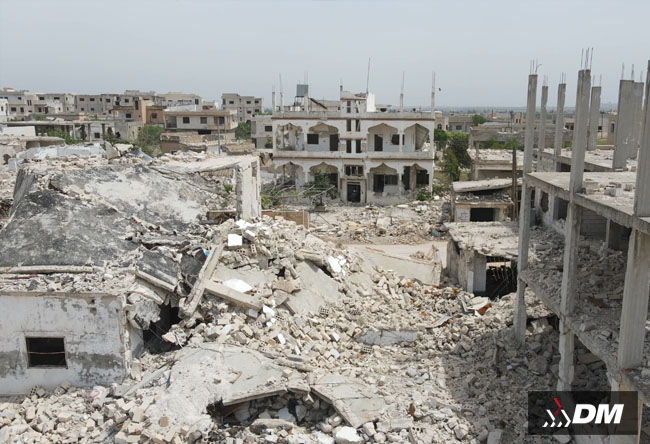
Construction Waste mainly refers to solid waste generated in the processes of building construction, decoration renovation and building demolition. Its core categories and specific contents are as follows:
1. Muck & Soil Waste: Soil, sand, gravel and crushed stone produced by excavation and transportation during construction, such as earthwork from foundation excavation and waste materials from road paving.
2. Waste Building Materials: Offcuts, damaged materials and discarded products of various construction materials, including waste bricks, concrete blocks, mortar, cement bags, tiles, glass, door and window profiles, pipes, wires and cables.
3. Decoration Waste: Waste generated during the renovation of residences, shops and other buildings, such as putty removed from walls, discarded coatings, old flooring, a small amount of used furniture, wallpaper and thermal insulation materials.
4. Demolition Waste: Bulk waste produced from the demolition of buildings and structures, including broken wall fragments, beam and column concrete, roof tiles and discarded steel structures.
5. Other Waste: A small amount of domestic waste produced on construction sites (such as used lunch boxes and packaging bags), as well as discarded construction tools and protective supplies (non-major categories).
If improperly disposed of, construction waste will cause continuous harm to the environment in terms of soil, water, atmosphere and ecology. It not only breaks the balance of the natural environment, but also indirectly endangers human health. The specific impacts are listed below:
I. Harm to the Soil Environment
Random stacking or landfilling of construction waste occupies a large amount of land resources, encroaching on cultivated land, forest land and other valuable land, and reducing land utilization efficiency. Some construction waste contains hazardous substances such as waste paint, coatings and asphalt. These substances gradually penetrate into the soil, damage soil structure, reduce soil fertility, and cause soil compaction and acidification, restraining plant growth. Meanwhile, heavy metals contained in construction waste (lead, cadmium, chromium, etc.) accumulate in the soil. In the long run, they contaminate crops and enter the food chain, posing threats to human health. In addition, unremoved construction waste covers the ground surface, hinders soil ventilation and water infiltration, restricts the activity of soil microorganisms, and further damages the soil ecosystem.
II. Harm to the Water Environment
When construction waste is piled up beside rivers, lakes and ditches, or washed by rainwater in rainy seasons, a large number of sediment and particle pollutants enter water bodies, causing water turbidity, reducing water transparency, weakening photosynthesis of aquatic plants and breaking the aquatic ecological balance. Soluble harmful substances in construction waste (alkaline components in cement, chemical solvents in coatings) dissolve in water, resulting in unbalanced pH values and contaminating both surface water and groundwater. Polluted groundwater, if consumed by humans, may trigger gastrointestinal and skin diseases. Contaminated surface water endangers the survival of fish and other aquatic organisms, leads to biological death, and destroys the aquatic food chain.
III. Harm to the Atmospheric Environment
A great deal of dust is produced during the stacking, transportation and disposal of construction waste. Loading, unloading and crushing activities release suspended particulate matter, which drifts with the wind and pollutes the air. Long-term inhalation may cause respiratory and pulmonary diseases. In addition, waste wood, plastic, asphalt and other materials decay and decompose during long-term stacking, producing harmful gases such as methane and hydrogen sulfide. These gases not only pollute the air, but also carry flammable and explosive risks, threatening regional environmental safety. Moreover, without fully enclosed transportation, dust scatters along routes and further aggravates air pollution.
IV. Harm to the Ecological Environment
Random piling of construction waste destroys surrounding vegetation, occupies habitats of animals and plants, and reduces biodiversity. For example, waste landfilling and stacking on woodland and grassland crush vegetation, cause plant death, weaken ecological vegetation coverage, and intensify soil erosion and desertification. Accumulated construction waste on the outskirts of cities damages landscape coordination and affects eco-tourism environments. Hazardous ingredients in construction waste spread through soil, water and atmosphere, hinder the growth and development of surrounding organisms, reduce species quantity and weaken ecosystem stability.
V. Other Potential Hazards
Long-term accumulation of construction waste breeds mosquitoes, bacteria and pathogens, accelerates the spread of diseases and deteriorates the living environment of nearby residents. Unregulated waste piles also carry collapse risks, especially in rainy seasons or uneven terrain, which may trigger safety accidents and threaten personal and property safety. Furthermore, improper disposal leads to serious resource waste. A large quantity of construction waste such as concrete blocks, bricks and steel bars is recyclable. Direct landfilling or abandonment wastes renewable resources and runs counter to the requirements of environmental protection and sustainable development.
Related Articles
Shanghai Dongmeng Wheeled Mobile Crushing Plant: High-efficiency and Low-cost Solutions for the Sand and Solid Waste Industry in 2026
2026-06-10 More+In 2026, China’s sand production, mining, and construction waste recycling indus...
What Are the Functions of Construction‑Waste Crushers?
2026-08-05 More+With ongoing urban renewal, road renovation and building demolition projects, la...
What Market Advantages Boost Construction Waste Treatment & Resource Recycling?
2026-06-03 More+Urban reconstruction generates massive construction waste, and construction wast...
What procedures are required for a construction waste treatment plant?
2026-04-24 More+The establishment of a construction waste treatment plant (resource recycling &a...