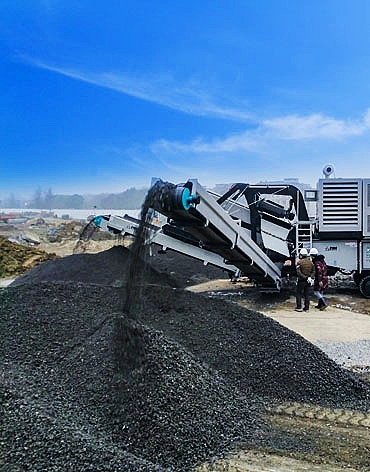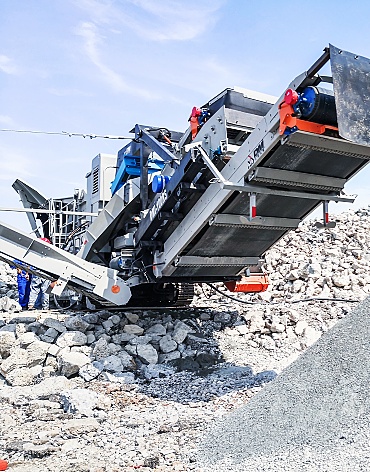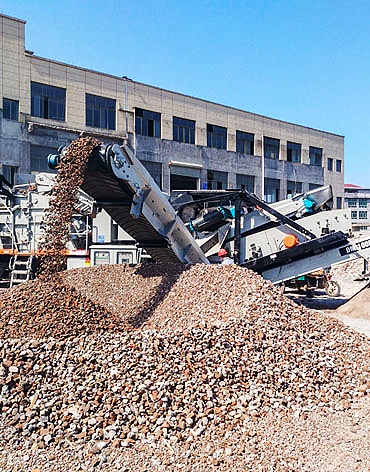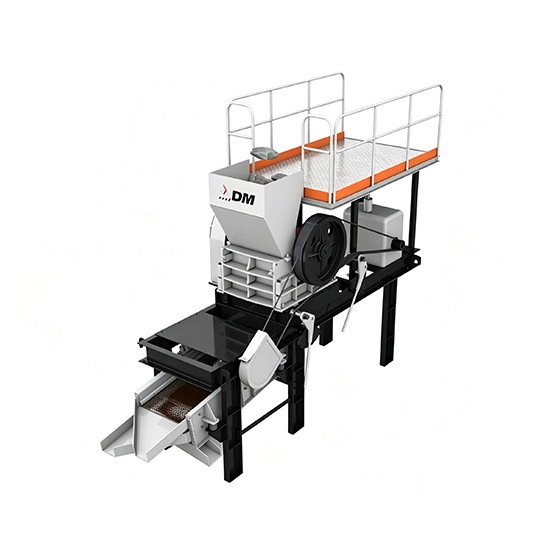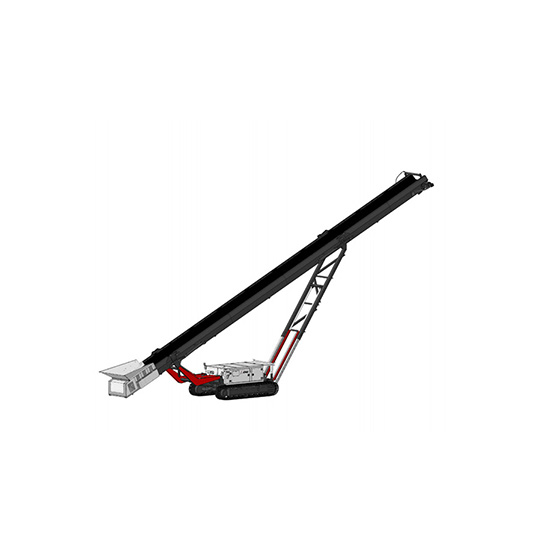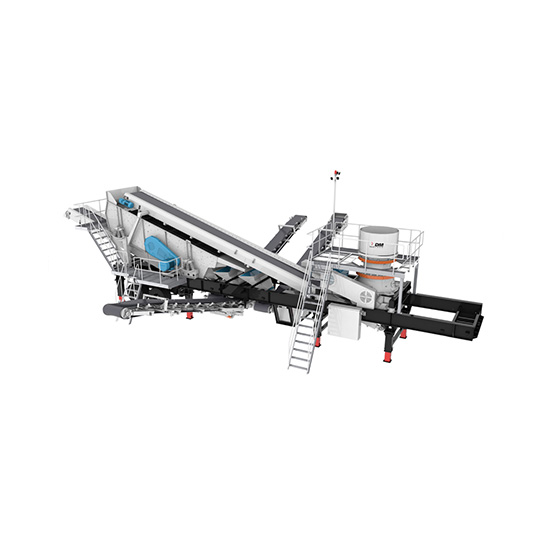
The GZD Series Suspended Small Plate Feeder is widely used in combined crushing and screening system
The GZD Series Suspended Small Plate Feeder is widely applied in combined crushing and screening equipment for metallurgy, coal mining, mineral processing, manufactured sand production, construction waste recycling, building materials, chemical industry, abrasives and other industries. Adopting a suspended installation method, it delivers bulk, granular and powdery materials uniformly, continuously and quantitatively from storage silos or hoppers to receiving devices.
Properly installing the trough with a downward inclination (generally 10-15 degrees) can greatly increase the feeding capacity.
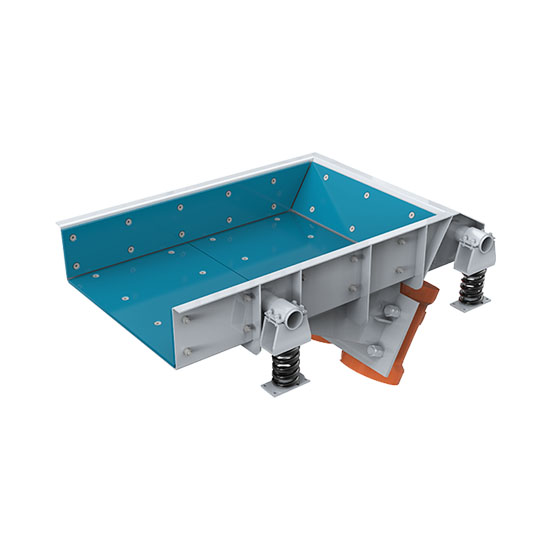
This feeder is mainly composed of three parts: two ZG-type inertial vibrators, shock absorbers and a feeding trough. Two inertial vibrators are symmetrically mounted on the trough, enabling the trough to generate simple harmonic vibration along the resultant force direction. The feeding process is realized by the reciprocating linear vibration of the trough along the inclined direction.
It features strong adaptability to various ores and rocks, especially viscous materials, and can operate in dusty or high-moisture working conditions. A fully enclosed structure is optional to prevent dust pollution.
| Model | Hopper size (mm×mm) | Max. feed size (mm) |
Capacity (t/h) | Motor power (kw) | Weight (t) |
Dimension (mm) |
| GZD2575 | 2500x750 | 300 | 50-80 | 1.5x2 | 1.3 | 2580x1430x600 |
| GZD3070 | 3000x700 | 350 | 60-90 | 3x2 | 2.7 | 3260x1200x850 |
| GZD3090 | 3000x900 | 450 | 80-140 | 3x2 | 3 | 3260x1400x850 |
| GZG8012 | 1200x800 | 200 | 80-160 | 1.1x2 | 0.5 | 1580x1430x600 |
| GZG1014 | 1400x1000 | 300 | 160-300 | 1.5x2 | 0.9 | 1800x1100x990 |
| GZG1218 | 1800x1200 | 350 | 300-500 | 2.2x2 | 1.5 | 2400x1600x1100 |
| GZG1420 | 2000x1400 | 400 | 400-700 | 3.7x2 | 2.1 | 2700x1800x1250 |
It adopts an enclosed body structure to prevent dust pollution.
It adopts ZG-type inertial vibrators as the vibration source, with no rotating parts and few wearing components.
The feeding trough shall be installed with a proper downward inclination (usually 10–15 degrees), which can greatly improve the feeding capacity.
It boasts strong adaptability to various ores and rocks, especially viscous materials, and can stably operate in dusty and high-humidity conditions.